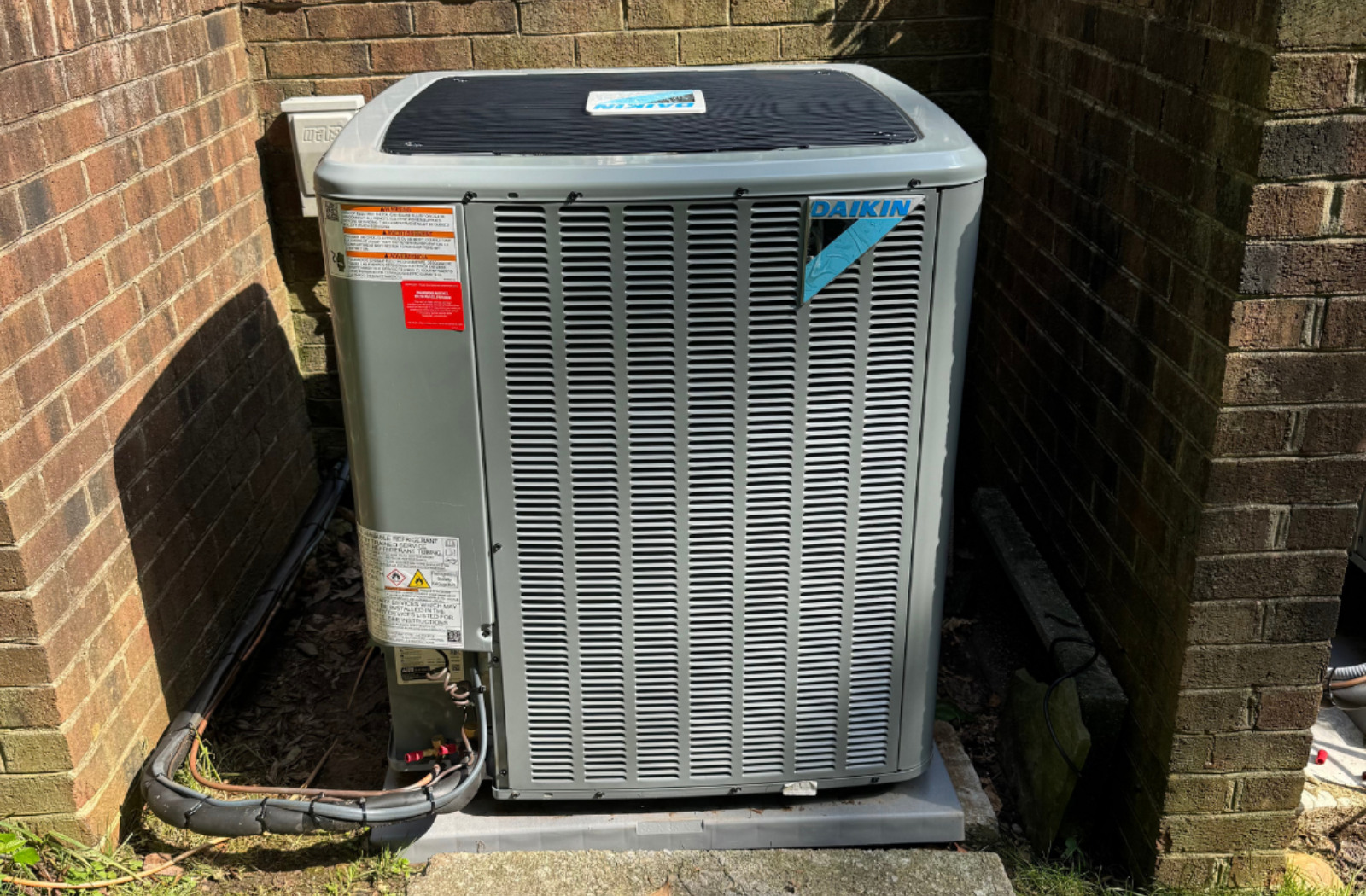
When part of your heating or cooling system fails, one of the first questions homeowners in Great Falls ask is whether the repair should be covered under warranty. HVAC warranties can be confusing, especially when coverage depends on system age, registration, and the type of part that failed. Understanding how these warranties work can help you avoid unnecessary expenses and make confident repair decisions.
Recently, we spoke with a homeowner who had a heat pump installed a few years earlier and wanted to confirm whether a failed component should be covered under the manufacturer’s warranty before approving the repair.
Most HVAC systems come with a manufacturer’s parts warranty, but coverage varies based on several factors.
Most manufacturers offer:
- A standard 5-year parts warranty that applies automatically
- An extended 10-year parts warranty if the system is registered within a specific timeframe after installation
If registration does not happen on time, coverage often defaults to the shorter warranty period. This catches many homeowners off guard years later when a repair is needed.
In most cases, manufacturer warranties cover parts only, not labor. This means:
- The replacement part may be covered
- The cost to diagnose, remove, and install the part is typically not covered
Some homeowners may have additional labor coverage through a third-party warranty or service agreement, but this is separate from the manufacturer's warranty.
Not all repairs qualify for warranty coverage, even if the system is still within the warranty period.
Parts that are often covered include:
- Control boards
- Motors
- Compressors
- Certain electrical components
Coverage depends on the manufacturer’s warranty terms and whether the part failure is considered a defect.
Some components may be considered wear items and are not always covered. These can include parts like capacitors or contactors, depending on the manufacturer and circumstances. Even when a part might qualify, approval is never guaranteed without verification.
To confirm warranty coverage, you will usually need:
- The model number
- The serial number
- The installation date
This information allows the manufacturer to confirm warranty status and determine whether a specific part is eligible. In many cases, taking a clear photo of the equipment data plate is the fastest way to gather what is needed.
If a system was not registered after installation:
- Warranty coverage often defaults to the shorter term
- Coverage start dates may be based on the manufacture date instead of installation date
This is why it is important for homeowners to keep installation records and confirm registration when a new system is installed.
Authorizing repairs in some situations can void warranty coverage, especially when warranties require specific steps like pre-approval, authorized technicians, or required documentation. Whenever possible, it is best to verify the coverage before approving a repair. A professional inspection ensures the correct issue is identified and allows time to check whether the part qualifies for warranty replacement. This prevents unnecessary costs and ensures the repair is handled properly.
Most systems have a 5-year parts warranty, with the option to extend to 10 years through registration.
You can often look up warranty status using the model and serial number on the manufacturer’s website, but coverage details are easier to confirm with professional assistance.
Lack of maintenance can sometimes void warranty claims if the manufacturer determines neglect contributed to the failure.
Warranty coverage is tied to the equipment, not the contractor, so coverage can still be checked using the unit information.
If your heating or cooling system needs repair and you are unsure whether it should be covered under warranty, B.L. James & Son can help. We will inspect your system, identify the issue, and verify warranty eligibility so you can make an informed decision. Contact us today to schedule an HVAC inspection in Great Falls, VA, and get clear answers before moving forward with repairs.
The B.L. James & Son team likes to move quick and reply to customer inquiries the same business day. Once we troubleshoot the issue, estimates are provided the same day or by the end of the next day. Our work begins the moment you call, and since we’re open 24 hours a day there’s no reason to wait. Call B.L. James & Son anytime, we’ll be there to help.

Email has an ability many channels don’t:
creating valuable, personal touches – at scale

B.L. James & Son Is a veteran-owned mechanical contractor providing plumbing, heating and cooling services to residents and business in Arlington, Virginia and the surrounding community.




.png)

