If Fairfax County has checked your meter and confirmed good pressure at the street, the problem is inside your home. Common culprits include aging galvanized pipes, a failing pressure-reducing valve, partially closed shut-off valves, or mineral buildup restricting flow through fixtures and supply lines.
A homeowner in Tysons, VA recently called us after doing exactly the right thing: they contacted Fairfax County first. The county confirmed solid pressure at the meter, then told them to call a plumber. That handoff makes sense, because once the water crosses from the street into your home, it becomes your system and your problem to diagnose.
We work on houses across Tysons, and low water pressure that starts inside the home is one of the trickier plumbing issues to track down. Here is what we look at first.
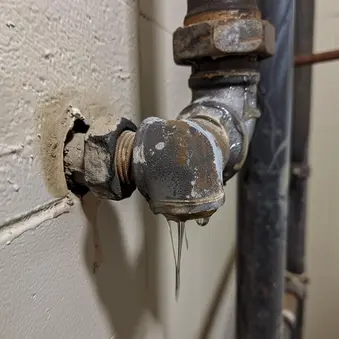
In older homes, corroding or narrowing galvanized steel pipes are the most frequent cause of pressure loss that worsens over time. Galvanized pipes corrode from the inside out. As rust and mineral scale build up on the interior walls, the usable diameter of the pipe shrinks. Water that once moved freely now fights through a much tighter opening.
If your pressure has been "always a little low" but has gotten noticeably worse over the years, pipe degradation is near the top of our suspect list. A plumbing inspection can help us get eyes on what is actually happening inside your supply lines before we recommend any repairs.
Several other components can quietly choke your water pressure without any obvious warning signs. Here are the usual suspects we check:
-Pressure-reducing valve (PRV): Most homes have one where the main line enters the house. When a PRV starts to fail, it can over-restrict flow even when street pressure is normal. Replacing it is usually a straightforward fix.
-Partially closed main shut-off valve: Sometimes a valve was turned down during a repair and never fully opened again. It sounds simple, but we find it more often than you would expect.
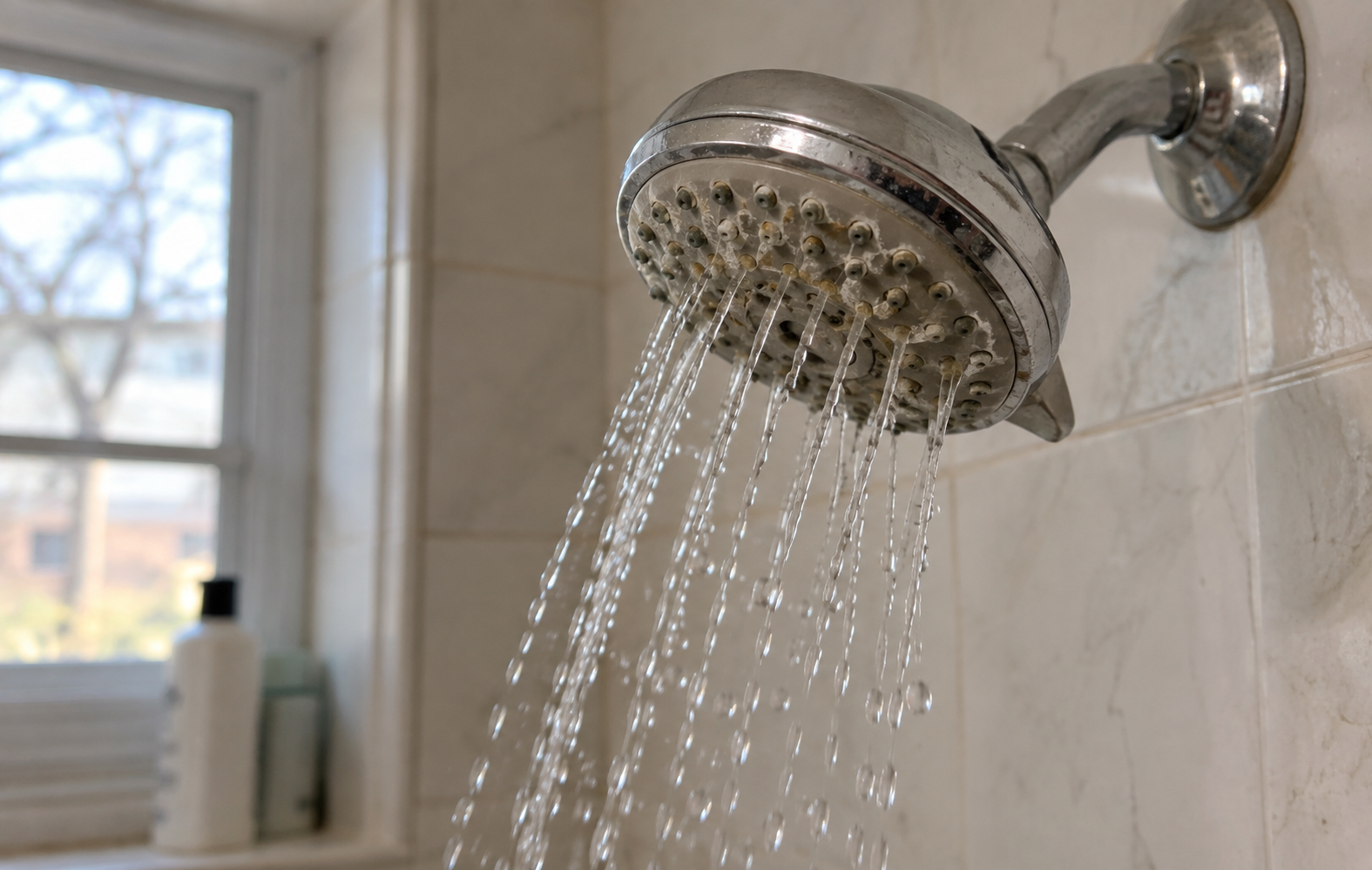
-Mineral buildup in fixtures: Hard water deposits clog aerators and showerheads over time. If only one or two fixtures are weak, clean or replace the aerator before calling anyone.
-Supply line leaks: A slow leak somewhere in the system bleeds pressure without always showing obvious water damage on the surface.
The tricky part is that these causes can look identical from the outside. That is why a technician needs to trace the system rather than guess. Our team at B.L. James & Son approaches these diagnostics systematically so we are not charging you to poke around without a plan.
Homes with complex or older plumbing layouts make it harder to isolate where pressure is being lost. When supply lines run through finished walls, under slabs, or through multiple branch points, a technician cannot always see the path the water is taking. Pressure has to be tested at multiple points to narrow down the zone where the drop is happening.
This is not a reason to give up on the diagnosis. It is a reason to bring in someone with experience on older home plumbing. Our team has been working on Tysons-area homes for decades, and we have seen most of the layouts and pipe materials this region throws at you.
Not necessarily, but having a plumber already on-site is a good opportunity to at least get a professional assessment of both issues. A clogged drain and low water pressure are usually unrelated problems. Clearing a drain will not restore pressure, and vice versa. However, when a technician already has eyes on your system, they can flag what they see and help you prioritize.
If you also have a clogged drain that needs attention, we can handle both and give you a clear picture of what the repairs involve before any work begins.
A PRV failure usually affects pressure throughout the whole house fairly evenly. Pipe corrosion often shows up as pressure that varies by location, is worse at fixtures farther from the main line, or has declined gradually over years. A pressure test at different points in the system helps us tell the difference.
Not always. We start with non-invasive checks first: testing pressure at key points, inspecting accessible valves, and reviewing the age and material of your supply lines. If we do need to go further, we will walk you through what that involves and quote it before we start.
In most cases, yes. Living with weak pressure is a daily frustration, and underlying causes like a failing PRV or corroded pipes only get worse. Addressing it early usually costs less than waiting until a pipe fails or a valve gives out completely.
Low water pressure is annoying, and vague answers from anyone you call make it worse. If you are in Tysons, VA and Fairfax County has already cleared the meter, the next step is a proper house-side diagnosis. We will tell you what we find and what it will take to fix it before any work begins.
Contact us at B.L. James & Son to schedule a plumbing diagnostic and get a clear answer about what is going on with your water pressure.
The B.L. James & Son team likes to move quick and reply to customer inquiries the same business day. Once we troubleshoot the issue, estimates are provided the same day or by the end of the next day. Our work begins the moment you call, and since we’re open 24 hours a day there’s no reason to wait. Call B.L. James & Son anytime, we’ll be there to help.

Email has an ability many channels don’t:
creating valuable, personal touches – at scale

B.L. James & Son Is a veteran-owned mechanical contractor providing plumbing, heating and cooling services to residents and business in Arlington, Virginia and the surrounding community.






.png)

